

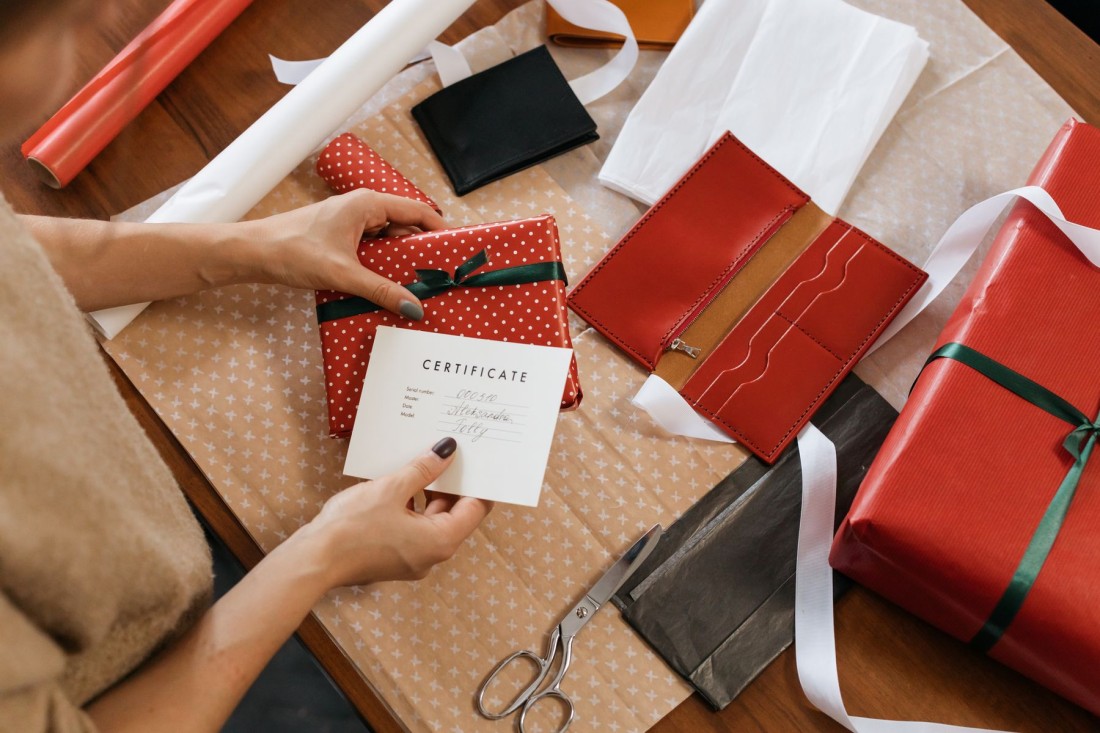
Why custom packaging earns its place
Party products are often purchased as part of a coordinated occasion. Packaging can help customers recognize which napkins belong with which plates, identify quantities quickly, and distinguish one collection from another.
A consistent system also makes seasonal launches easier to manage. A brand might retain one proven carton structure while changing the printed sleeve for Christmas, birthdays, or baby showers. That approach creates visual variety without requiring a new structural design for every collection.
Customization should therefore solve a specific problem. It might improve shelf presentation, protect delicate decorations, support a giftable experience, or make a wholesale assortment easier to identify. A finish that adds cost without helping one of those goals deserves a second look.
Start with the product and its journey
A useful development brief includes the product dimensions, packed quantity, weight, sales channel, target order volume, destination, and required arrival date. Include photographs or physical samples when the product has an irregular shape.
Describe how customers will receive it. A hanging retail pack needs different features from a favor box handed directly to a guest. A decorative sleeve may work beautifully on a shop shelf while needing additional protection for parcel delivery.
Specify the visual requirements separately: logo files, brand colors, mandatory copy, barcode position, and preferred finishes. Keeping functional and visual requirements clear makes quotations easier to compare.
Match the material to the job
Material selection involves more than choosing a heavier paper. Thickness, stiffness, grain direction, surface coating, and fold behavior all influence the result.
Paperboard can suit lightweight folding cartons; corrugated board may be appropriate where cushioning and stacking strength matter. A window can reveal the product, but it changes the structure and introduces additional material decisions. Ask for a sample that reflects the intended construction.
For party items used near food, identify the actual contact conditions. A decorative outer box and a liner touching an oily pastry have different requirements. Confirm suitability for the intended use and destination market rather than relying on the appearance of the material.
Turn the artwork into a production file
Build artwork on the approved dieline, the flat technical drawing showing cuts, folds, and assembly areas. Keep essential text away from cuts and creases, extend background graphics into the printer's specified bleed, and keep technical lines separate from printable artwork.
Provide vector logos where possible, embed or outline fonts as requested, and use images with adequate resolution at their final size. Identify foil, embossing, or other special finishes on clearly named separations. Agree on the color workflow with the printer and assess critical brand colors using an appropriate physical reference or proof.
A screen preview cannot establish how ink will look on the selected stock. Paper color, surface texture, and finishing can all change the appearance.
Approve the right kind of sample
Different samples answer different questions. An unprinted structural sample checks fit, opening, assembly, and stability. A digital proof checks artwork placement and wording. A color proof or decorated production sample provides more relevant evidence for appearance, although its usefulness depends on how closely it represents the final process.
Ask what each sample validates. Record approved dimensions, materials, artwork revision, finishes, and any agreed tolerances. Retain a reference sample so both parties can compare production against the same physical target.
What happens on the factory floor
A typical folding-carton project moves through incoming material checks, prepress, printing, finishing, die cutting and creasing, folding and gluing, inspection, and packing. The sequence can change with the construction and equipment.
Orderly production depends on traceability. Job tickets should identify the correct material, artwork version, quantities, and process instructions. A first-off check helps catch errors before the full run proceeds. Checks during production can identify color drift, misaligned cutting, weak bonds, or cracking along folds.
Final inspection should cover function as well as appearance. Does the product fit? Does the closure hold? Can staff assemble the box efficiently? Are assortment labels and carton counts correct?
Plan the delivered cost
Compare quotations using the same specifications. Consider setup, tooling, sampling, finishing, packing, freight, and storage alongside the unit price. A flat-packed design may reduce shipping volume but require assembly at its destination.
Work backward from the required arrival date and allow time for revisions, approval, production, and transport. Minimum quantities and lead times depend on the chosen process and supplier; they should be confirmed for the actual project.
Ready to develop a custom pack? Prepare your product measurements, quantity, artwork, destination, and delivery target. A clear starting brief gives the production team the information needed to propose a practical solution.





Validate your login