

1. Build Your Order Around How Your Customers Buy
Before requesting a quotation, decide who will buy the products and how they will use them.
A party retailer may need coordinated collections that customers can purchase together. An event decorator may prioritize consistent colors, installation requirements, and availability for a specific date. A distributor may focus on carton quantities, labeling, and repeat orders.
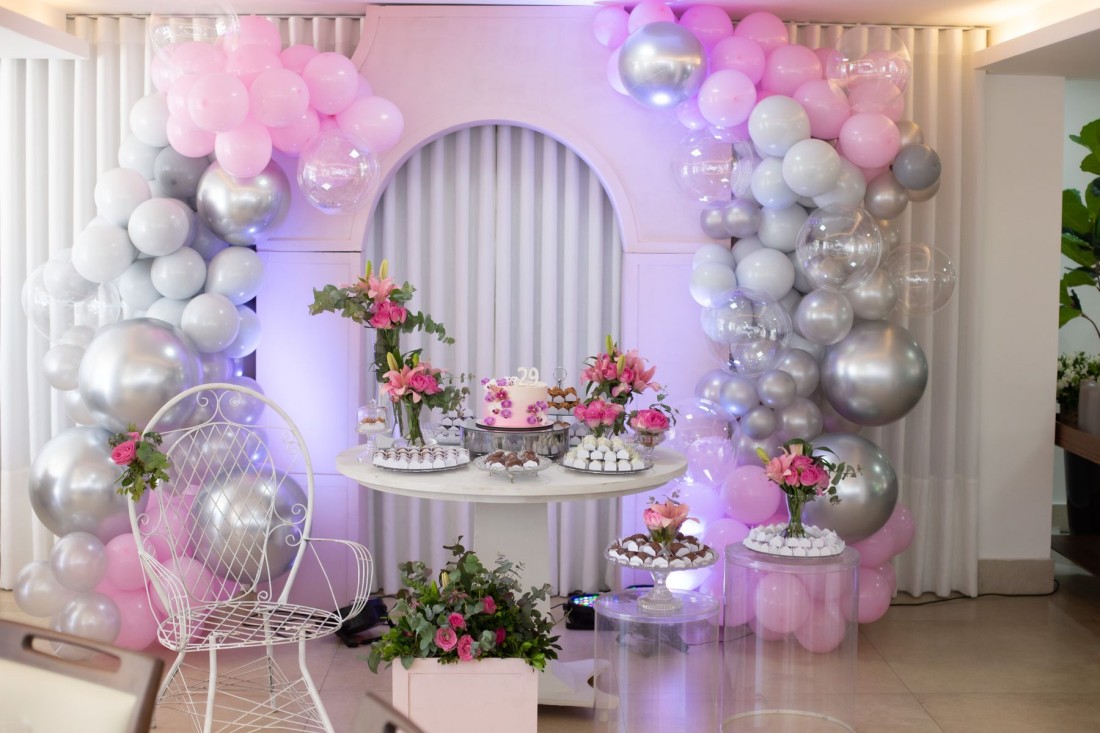
For a themed retail collection, consider the complete setup:
-
Paper plates, cups, and napkins
-
Table covers and table decorations
-
Banners, hanging decorations, and backdrops
-
Balloons and coordinating accessories
-
Favor bags, gift boxes, and packaging
Choose a core group of products first, then add complementary items. A focused collection is easier to merchandise than a large assortment of unrelated designs.
2. Compare Specifications Before Comparing Prices
Two products can look similar in photographs while differing in material, size, finish, or packaging.
For example, a quotation for “birthday paper plates” does not tell you whether the products have the same dimensions, construction, printed coverage, or number of pieces per retail pack.
Ask suppliers to quote against a clear specification that includes:
-
Product dimensions and material
-
Color, artwork, and surface finish
-
Pieces per pack and packs per carton
-
Individual packaging requirements
-
Required labels and barcodes
-
Intended use and destination market
For items intended to contact food, explain the intended use and ask which supporting documentation is available for your market.
A useful comparison starts with equivalent products and equivalent delivery terms.
3. Understand What the Minimum Order Quantity Applies To
Minimum order quantity, or MOQ, needs a clear definition.
Ask whether the minimum applies to each product, each color, each printed design, or the total order. Also confirm whether ready-made products, custom printing, and custom packaging have different requirements.
An order containing several designs may meet the total quantity requested while still falling below the minimum for an individual design.
Before approving the order, clarify:
Can colors or designs be mixed? Are quantities ordered by piece, retail pack, or carton? What changes when the quantity increases?
For a first purchase, consider concentrating stock in a manageable number of themes rather than spreading the order across too many small variations.
4. Evaluate the Cost of Getting Products Ready to Sell
The supplier’s product price is not necessarily the final cost to your business.
Build a purchasing budget that separates:
| Cost item | What to confirm |
|---|---|
| Products | Price, quantity, and specification |
| Customization | Artwork, setup, tooling, or packaging charges |
| Samples | Sample preparation and delivery |
| Freight | Shipping method, shipment size, and destination |
| Import and delivery | Applicable charges and local delivery arrangements |
| Retail preparation | Any labeling, repacking, or assembly you will handle |
Ask for carton dimensions and gross weight before finalizing the order. Bulky decorations and lightweight party accessories can require very different shipping plans.
Make sure competing quotations cover the same responsibilities. A lower product price may come with additional work or charges elsewhere.
5. Use Samples to Confirm What Photographs Cannot Show
Product photographs help with initial selection. Samples help you assess whether the product fits your business.
Check the structure, print clarity, color, finish, assembly, and packaging. For coordinated collections, place the items together and review them as a group.
If you are ordering custom products, confirm what the sample represents. A digital proof can show artwork placement, but it does not demonstrate the physical material or finished construction.
Ask whether the sample is a stock item, a material reference, or a production sample made to your specification. Record the approved details in writing so that both parties have the same reference.
6. Separate Product Customization from Packaging Customization
Customization can involve several different decisions.
You may want an existing product supplied in branded packaging, a new print on a standard product, or a completely new shape or size. These requests involve different preparation steps.
A clear customization brief should include:
-
Product type, dimensions, and order quantity
-
Artwork files and color references
-
Logo placement and print areas
-
Packaging format and pack quantity
-
Barcode and label requirements
-
Required arrival date and delivery destination
Specify which elements are essential and where you can accept alternatives. This helps the supplier propose suitable options and quote accurately.
7. Plan Backward from the Date You Need the Stock
Start with the date the products must be available for sale or event preparation.
Then allow time for delivery, receiving checks, transport, production, sample approval, and artwork revisions.
Clarify when the quoted production lead time begins. It may depend on final artwork approval, sample approval, payment, or material confirmation.
For seasonal collections, include a buffer for changes and delays. Stock that arrives after your main selling period can tie up cash and storage space, even if the purchase price was attractive.
8. Agree on Packing and Inspection Details
Before production starts, confirm how the order will be checked and packed.
Useful details include approved specifications, carton markings, retail pack counts, barcode placement, and any assembly instructions.
If products will be sold as coordinated sets, confirm whether they arrive packed together or as separate items. If mixed cartons are acceptable, agree on how their contents will be identified.
Also discuss how shortages, damage, or specification differences should be reported and what evidence the supplier will need to assess a claim.
Make Your First Order a Foundation for Repeat Business
A well-planned wholesale purchase creates a reference for future orders.
Keep the approved specifications, artwork versions, packaging details, and purchasing records. After the collection launches, review which products sell together, which themes need replenishment, and which items require changes.
This turns the next order into a more informed purchasing decision.
Planning your next party supplies collection? Share your product list, quantities, customization requirements, delivery destination, and target arrival date with our team to discuss available options and request a quotation.




Validate your login